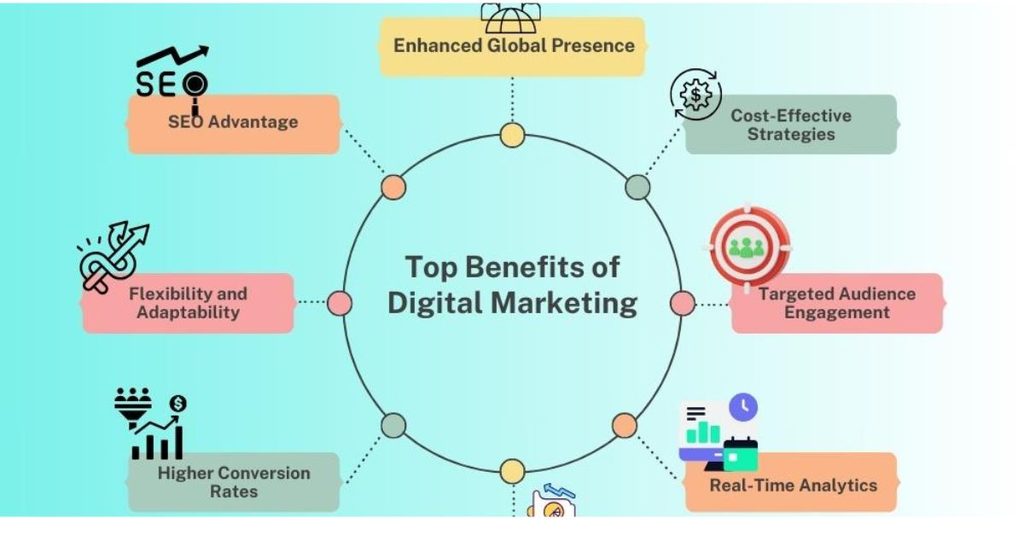
In today’s online world, getting your business noticed can feel challenging. There are countless brands competing for attention, and traditional advertising alone may not be enough to reach the right people. If you want to grow your business, connect with customers, and stay competitive, understanding Digital Marketing can give you a strong starting point.
Digital marketing helps businesses reach specific audiences through websites, search engines, social media, email, and other digital channels. It also makes it easier to track performance and improve campaigns over time. Let’s explore the major benefits and see how these strategies can support long-term business growth.
2. Cost efficiency
One of the biggest advantages of digital marketing is that it can work with different budgets. A small business can start with content marketing, social media posts, or SEO without spending the same amount as a large traditional advertising campaign. Paid ads can also be adjusted according to your budget and goals.
This flexibility allows businesses to control their spending more carefully. Instead of paying for advertising that reaches a broad audience, you can focus your budget on people who are more likely to be interested in your products or services. This can make online advertising a practical choice for both small and large businesses.
read out this article:What is Cost Efficiency and How to Achieve It?
3. Measurable results
Digital campaigns provide useful data that helps you understand what is working. You can monitor website traffic, clicks, impressions, engagement, leads, and conversions through different marketing tools. These marketing metrics give you a clearer picture of campaign performance.
Marketing analytics also allows you to make better decisions. For example, if one campaign receives many clicks but few sales, you can examine the customer journey and make changes. This ability to measure results makes it easier to improve your strategy instead of relying only on guesswork.
4. Effective targeting
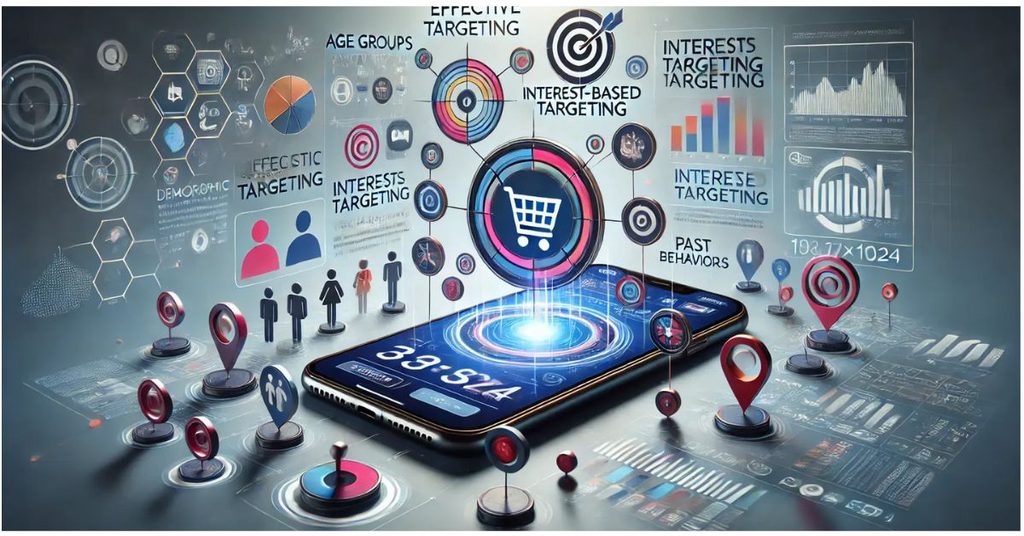
Reaching the right audience is essential for successful marketing. Digital platforms allow businesses to target people based on factors such as interests, location, online behavior, demographics, and previous interactions. Audience segmentation can make your campaigns more relevant.
Personalized marketing can also improve the customer experience. For example, an online clothing store can show different products to customers based on their interests. When people see content that matches their needs, they may be more likely to engage with the brand.
5. Increased engagement
Digital channels give businesses many ways to communicate directly with customers. Social media marketing allows brands to share updates, answer questions, collect feedback, and create conversations. Customers can interact with businesses instead of simply seeing an advertisement and moving on.
Email campaigns, social media posts, videos, and useful website content can all support customer engagement. Regular and meaningful communication can help businesses build stronger relationships with their audiences. Over time, these interactions can contribute to customer loyalty and brand building.
7. Improved conversion rate
Getting visitors to a website is only one part of marketing. You also want those visitors to take meaningful actions, such as making a purchase, submitting a form, signing up for an email list, or contacting your business. A well-planned strategy can help guide users toward these actions.
Businesses can improve conversion rates by testing landing pages, creating useful content, simplifying forms, and showing relevant offers. Marketing analytics can reveal where visitors leave the website. You can then make changes based on real user behavior rather than assumptions.
8. Social currency

A strong online presence can help a business become part of conversations happening on social media platforms. When people share useful, entertaining, or interesting content, they can help spread a brand’s message to their own networks. This can increase visibility without requiring every person to be reached through paid advertising.
Brand awareness also grows when people repeatedly see and interact with a business online. For example, a helpful video may be shared by customers and reach people who have never heard of the company before. This type of organic attention can support long-term brand building.
9. Greater ROI
Return on investment (ROI) is an important consideration for every business. Digital marketing allows companies to track how much they spend and compare that spending with results such as leads, sales, and conversions. This information can help marketers identify which activities are producing useful outcomes.
A business can also adjust its campaigns when results aren’t meeting expectations. For instance, it may reduce spending on an underperforming paid ad and invest more in a campaign that is generating quality leads. This flexibility can help businesses use their marketing budgets more effectively.
read out this article:How to increase ROI: Best practices in 2026
Digital marketing that makes an impact
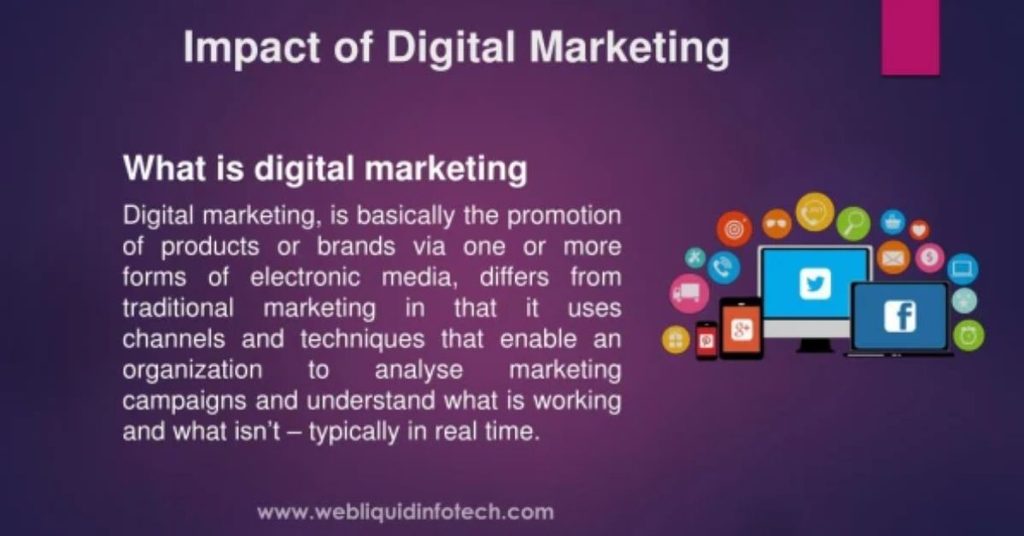
Effective marketing isn’t simply about being present on every platform. It starts with understanding your target audience and choosing digital channels that match their behavior and needs. A clear digital marketing strategy can bring SEO, social media, email, content, and paid advertising together instead of treating them as separate activities.
Consistency also matters. Your website, social media accounts, emails, and advertisements should communicate a clear brand message. By reviewing performance regularly and learning from customer responses, you can improve your campaigns and create a better customer experience.
| Digital Marketing Channel | Main Purpose | How It Makes an Impact |
| SEO | Improve visibility in search engines | Brings relevant organic traffic to your website |
| Social Media Marketing | Connect with your audience | Builds engagement, trust, and brand awareness |
| Content Marketing | Provide useful information | Helps attract visitors and establish authority |
| Email Marketing | Stay connected with customers | Supports customer relationships and repeat purchases |
| PPC Advertising | Reach targeted users quickly | Generates targeted traffic and potential leads |
| Marketing Analytics | Track campaign performance | Helps identify what works and improve results |
| Marketing Automation | Automate repetitive tasks | Saves time and supports personalized customer communication |
Develop Digital Marketing Skills with Schiller
Learning practical digital marketing skills can help you understand how modern businesses attract and retain customers. Important areas include SEO, social media marketing, content creation, email marketing, PPC, analytics, and marketing automation. Understanding these areas gives you a stronger foundation for working with different digital channels.
Digital marketing trends also continue to change as technology develops. Artificial intelligence in marketing, automation, personalization, and advanced analytics are becoming increasingly relevant to modern campaigns. Building your skills and keeping up with these changes can help you approach online marketing with greater confidence.
FAQs
1. What is Digital Marketing?
Digital marketing is the promotion of products, services, or brands through digital channels such as websites, search engines, social media, email, and online advertising.
2. What are the main benefits of Digital Marketing?
It can help businesses reach targeted audiences, control advertising costs, measure results, increase engagement, and improve brand awareness.
3. How does Digital Marketing help businesses reach customers?
Businesses can use SEO, social media, email marketing, PPC, and other digital channels to reach people based on their interests, behavior, location, and needs.
4. Can Digital Marketing improve conversion rates?
Yes. Businesses can use relevant content, audience targeting, website optimization, and marketing analytics to identify problems and improve the customer journey.
5. What skills are useful for a Digital Marketing career?
Useful skills include SEO, content marketing, social media marketing, PPC, email marketing, data analysis, marketing automation, and understanding digital marketing tools.
Conclusion
Digital marketing gives businesses practical ways to reach customers, measure performance, and build lasting relationships. From SEO and social media marketing to email campaigns and paid advertising, different channels can support different business goals.
The key is to focus on your audience, choose the right strategies, and use data to improve your results. With consistent effort and a willingness to learn, businesses can create stronger online experiences and build a more effective marketing presence.
