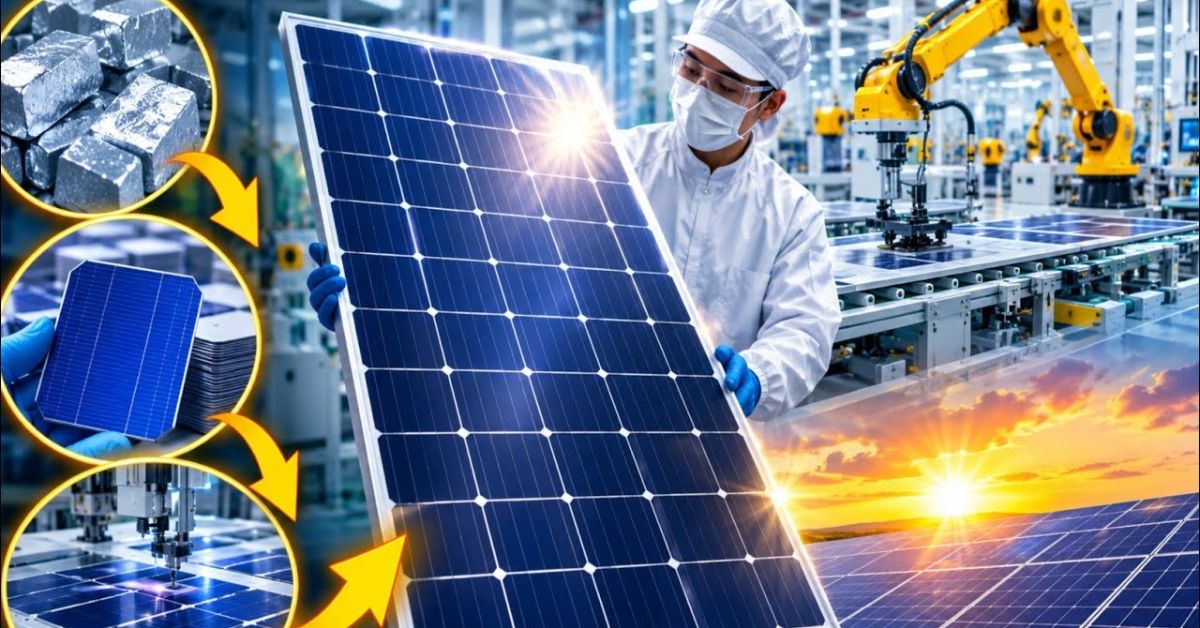
Solar panels are devices that convert sunlight into electricity. They use solar cells to capture sunlight and produce clean energy. Solar panel technology is improving every year. New designs are making panels more efficient, durable, and useful.
In 2026, solar energy is becoming smarter and more powerful. New technology is helping people get more electricity from the same amount of sunlight. These changes can make solar power a better choice for homes, businesses, and large energy projects.
The latest solar panel trends include advanced solar cells, better energy storage, smart monitoring, and improved panel designs. Some panels can produce more power even in low-light conditions. These innovations are helping make solar energy more reliable and affordable.
Smart Solar Technology and AI Monitoring
Smart solar technology is changing how solar panels work. Modern systems can use sensors and smart devices to track energy production. They can show how much power the panels are making in real time. This helps users understand their energy use and find problems quickly.
AI monitoring can make solar systems more efficient. It can study energy data and detect unusual changes. It may also help predict power production based on sunlight and weather conditions. This makes it easier to manage solar energy and keep the system working well.
Read More:Top 10 Online Skills That Can Boost Your Career in 2026
Technological Innovations in Solar Panels
Solar panel technology is improving with new designs and better materials. Modern panels can produce more energy from the same amount of sunlight. New solar cells are also becoming more efficient and durable. This helps solar systems work better in different weather conditions.
Another innovation is the development of lightweight and flexible solar panels. These panels can be used on more types of surfaces. Better energy storage systems also help save extra power for later use. These improvements are making solar energy more practical for homes, businesses, and large projects.
Solar Battery Installation
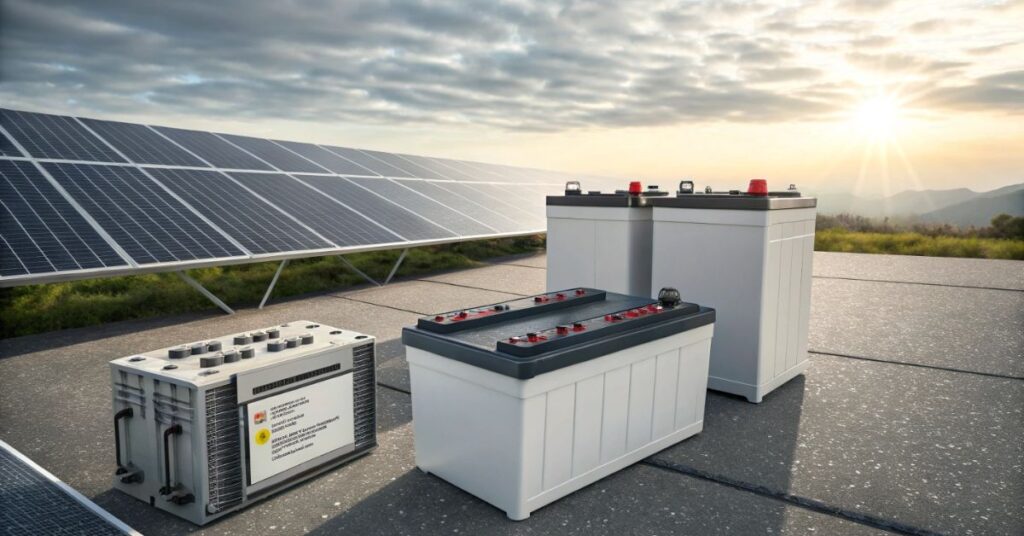
Solar battery installation allows you to store extra energy produced by solar panels. The stored power can be used at night or when sunlight is low. A battery system can help reduce the need for electricity from the grid. It can also provide backup power during outages.
A proper installation is important for safe and reliable performance. The battery should be placed in a suitable and well-ventilated area. A qualified installer can connect the battery with the solar panel system and set up the needed controls. Regular checks can also help keep the battery working efficiently.
Enhanced Energy Management Systems
Enhanced energy management systems help control and manage the power produced by solar panels. They track energy use and production in real time. This helps users understand when and how they use electricity. It can also reduce energy waste and improve system performance.
These systems can work with smart batteries and home devices. They can store extra solar power for later use. Some systems can also adjust energy use based on demand and available sunlight. This makes solar energy easier to manage and more efficient.
Transparent Solar Panels
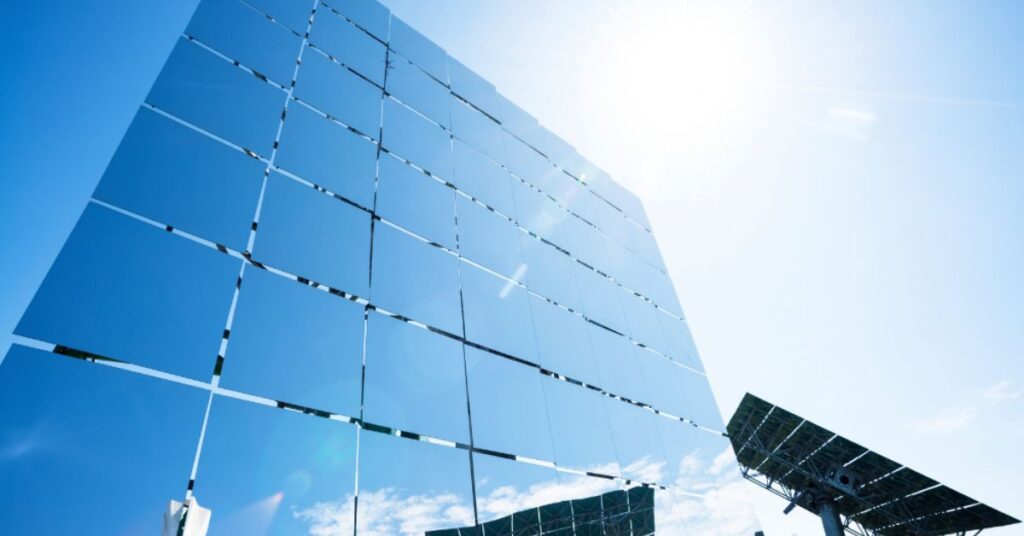
Transparent solar panels are a new type of solar technology. They allow some light to pass through while also producing electricity. They can be used in windows, glass walls, and other surfaces. This makes them useful for buildings that need both natural light and solar power.
This technology can help turn unused glass areas into energy-producing surfaces. Transparent panels may be useful in homes, offices, and large buildings. As the technology improves, they could become more efficient and easier to use.
How Tandem Cells Achieve Higher Efficiency?
Tandem cells use two or more layers of solar cells to capture more sunlight. Each layer is designed to absorb different parts of the light spectrum. This helps reduce energy loss and allows the panel to produce more electricity from the same sunlight.
Tandem solar cells can offer higher efficiency than traditional single-layer cells. They can make better use of available sunlight, especially when combined with advanced materials such as perovskite and silicon. As this technology develops, it could help create more powerful and efficient solar panels.
Advanced Energy Storage: Fogstar & Pylontech
Advanced energy storage helps save extra solar power for later use. Fogstar and Pylontech offer battery solutions for solar energy systems. Fogstar batteries are known for high-capacity options and smart battery management. Pylontech provides modular batteries that can be expanded as energy needs grow. Both options can help improve energy use and provide backup power when solar production is low.
Fogstar vs Pylontech
| Feature | Fogstar | Pylontech |
| Battery type | LiFePO4 | LiFePO4 |
| Main use | Solar storage and backup | Solar storage and backup |
| Design | High-capacity options | Modular design |
| Scalability | Can support larger systems | Easy to expand |
| Key benefit | Strong storage capacity | Flexible energy storage |
| Suitable for | Homes and larger systems | Homes and solar projects |
Commercial BIPV Applications
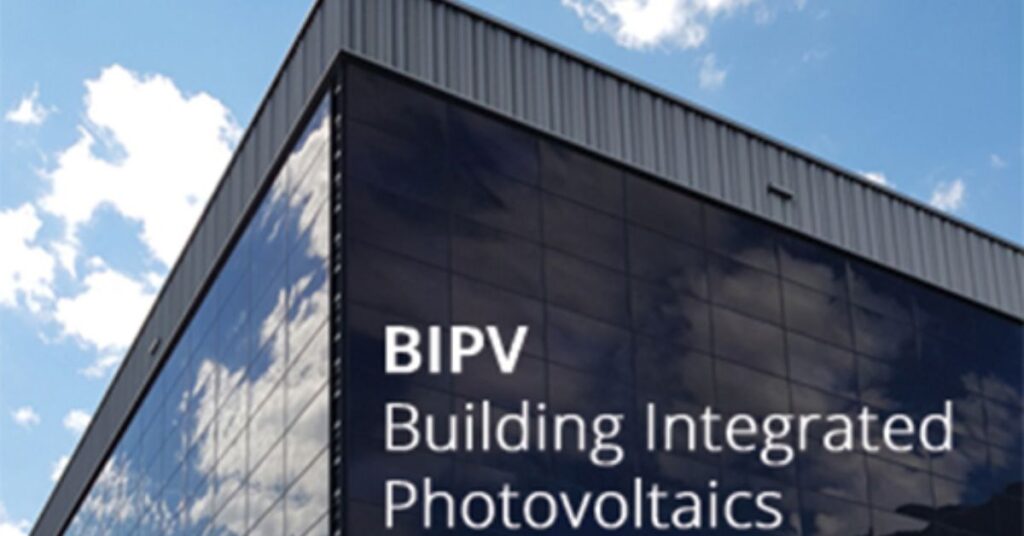
Commercial BIPV, or Building-Integrated Photovoltaics, uses solar panels as part of a building’s design. They can be added to roofs, windows, walls, and other surfaces. This allows buildings to produce clean electricity without needing separate solar structures. It can also give modern buildings a clean and useful look.
BIPV systems are useful for offices, shopping centers, factories, and other commercial buildings. They can help reduce electricity costs and make better use of available space. Solar glass and solar façades are also becoming popular options. As BIPV technology improves, more businesses can use their buildings to generate renewable energy.
Solar Roof Tiles Evolution
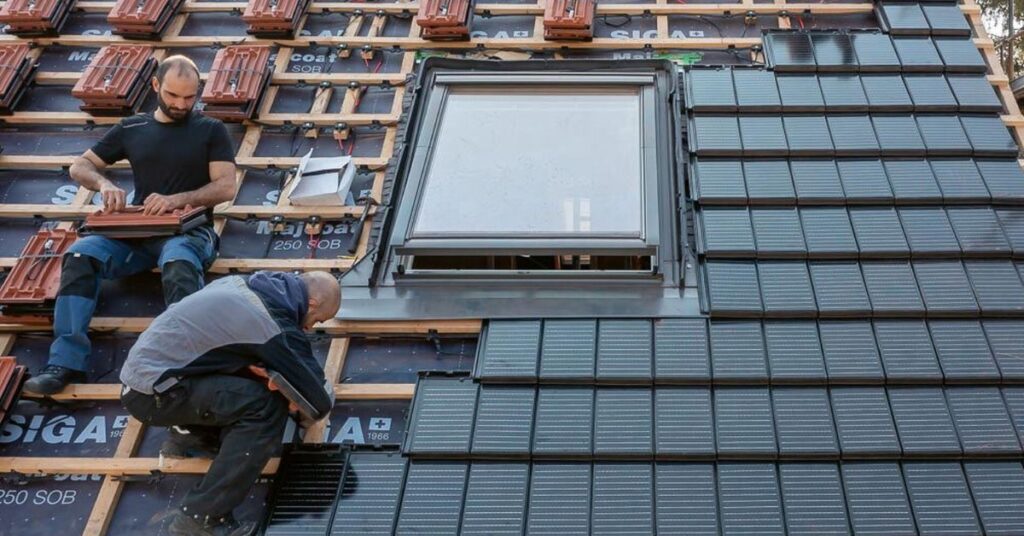
Solar roof tiles are an advanced option for producing clean energy at home. They work like normal roof tiles but have solar cells inside them. This gives roofs a neat and modern look. They can also save space because separate solar panels may not be needed.
New solar roof tiles are becoming more efficient and durable. Better designs can provide useful energy while matching different roof styles. They can be a good choice for new homes and roof replacements. As technology improves, solar roof tiles may become more affordable and widely used.
Bifacial Solar Panels: More Power From the Same Space
Bifacial solar panels can produce electricity from both sides of the panel. The front side captures direct sunlight, while the back side can use reflected light. This can help generate more energy without needing extra roof or ground space.
These panels work well in areas with bright or reflective surfaces. Light-colored roofs, sand, and concrete can reflect more sunlight toward the back of the panel. With proper installation, bifacial panels can improve energy production and make better use of available space.
Flexible and Lightweight Solar Panels
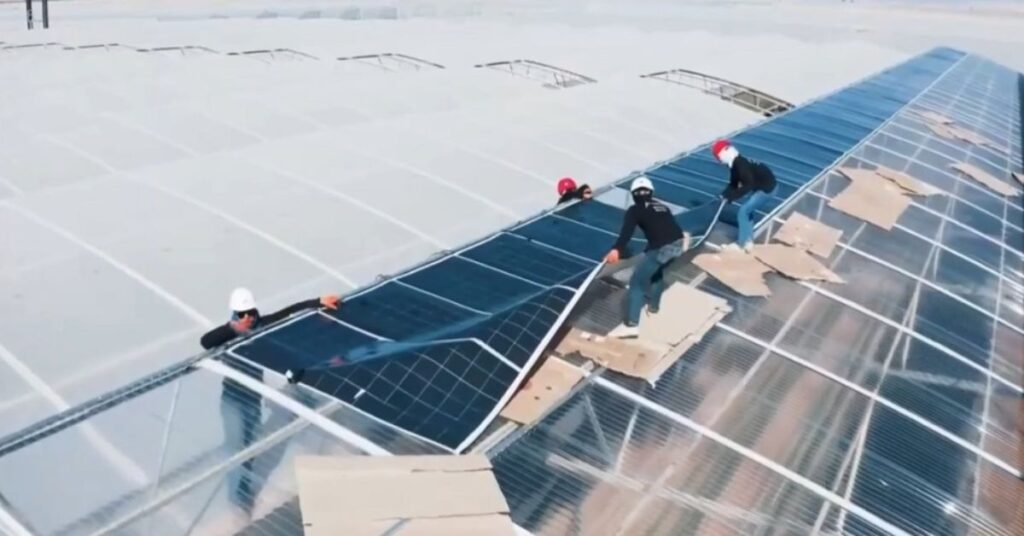
Flexible and lightweight solar panels are designed for places where traditional panels may not fit well. They are easy to carry and install. Their flexible design allows them to fit curved surfaces. They can be useful for vehicles, small buildings, boats, and portable solar systems.
Key Benefits
- Easy to transport and install
- Lightweight compared with many traditional panels
- Can fit curved or uneven surfaces
- Useful for portable solar applications
- Helps use spaces where rigid panels may not work
- Offers more flexibility in solar system design
Single-Junction Perovskite and Flexible Perovskite
Single-junction perovskite solar cells use a perovskite material to absorb sunlight and produce electricity. They are lightweight and can offer high energy efficiency. The material can also be made with thin layers, which may reduce the amount of material needed. This makes perovskite technology an exciting area of solar research.
Flexible perovskite solar panels can bend and fit different surfaces. They can be useful for portable devices, curved roofs, vehicles, and other applications. Their light weight makes them easier to handle and install. As the technology improves, flexible perovskite panels could become more practical for everyday solar energy use.
Thin-Film CdTe
Thin-film CdTe solar panels use cadmium telluride as the main material for producing electricity. The solar material is placed in a very thin layer on a supporting surface. These panels can use less semiconductor material than traditional silicon panels. They are also suitable for large solar projects.
CdTe technology can perform well in different light conditions. It can produce useful energy even when sunlight is not very strong. The panels are also designed for long-term use. As thin-film technology improves, CdTe solar panels can remain an important option for clean energy production.
FAQs
What are the latest solar panel technologies in 2026?
New technologies include bifacial panels, perovskite cells, flexible panels, transparent panels, and smart solar systems.
How do bifacial solar panels work?
Bifacial panels capture sunlight from both the front and back sides to produce more electricity.
What are perovskite solar panels?
Perovskite panels use a special light-absorbing material that can provide high efficiency with a lightweight design.
What are flexible solar panels used for?
Flexible panels can fit curved surfaces and are useful for vehicles, portable systems, boats, and unusual roof designs.
What are thin-film CdTe solar panels?
CdTe panels use a thin layer of cadmium telluride to convert sunlight into electricity. They are often used in large solar projects.
Conclusion
Solar panel technology is changing quickly in 2026. New options such as bifacial, transparent, flexible, perovskite, and thin-film panels are improving solar energy production. Smart systems and advanced batteries also make solar power easier to manage.
These innovations can help homes and businesses use clean energy more efficiently. Better designs can also make solar panels useful in more places. As technology continues to improve, solar energy can become a more practical and reliable power source.
