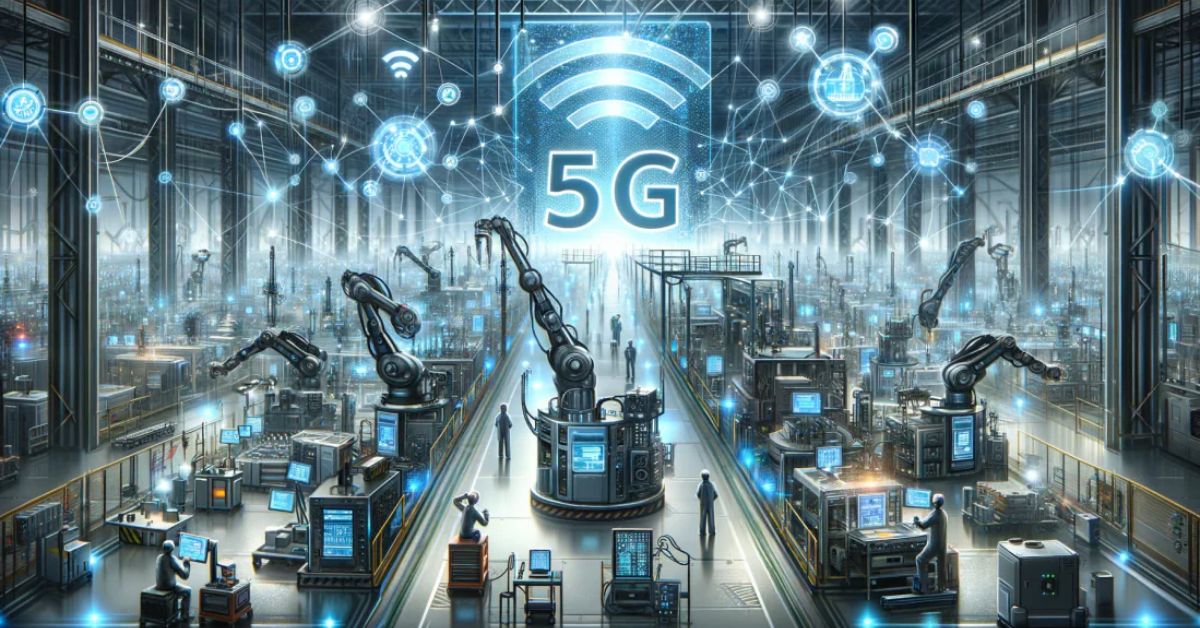
A 5G network is one of the latest generations of mobile networks available today. It provides faster internet speeds and lower latency than older wireless networks. Several devices can also be connected simultaneously. This makes 5G technology useful for smartphones, smart devices, businesses, and modern digital services.
Imagine downloading large files or streaming videos with less waiting. 5G technology can make these everyday tasks faster and smoother. Its quick response can also improve online gaming, video calls, and other real-time activities. This makes 5G an important step in the growth of wireless communication.
5G technology is not only about faster mobile internet. It can support smart cities, connected cars, healthcare services, and the Internet of Things (IoT). Businesses can also use it for automation and advanced digital solutions. As 5G networks continue to expand, they may create new opportunities across many industries.
What is 5G?
5G is the fifth generation of mobile network technology. It is designed to provide faster internet speeds and lower delays than older networks. With 5G, users can download files, stream videos, and use online services more smoothly. Additionally, more devices can be connected simultaneously.
5G technology can improve many areas of daily life and business. It can support smart homes, connected cars, online gaming, and advanced healthcare services. Its faster and more reliable connections can also help businesses use new digital tools. As 5G networks expand, they are expected to play an important role in the future of communication.
Also read: 5G Technology What Is It and How Does It Work
Evolution of Wireless Network Technology
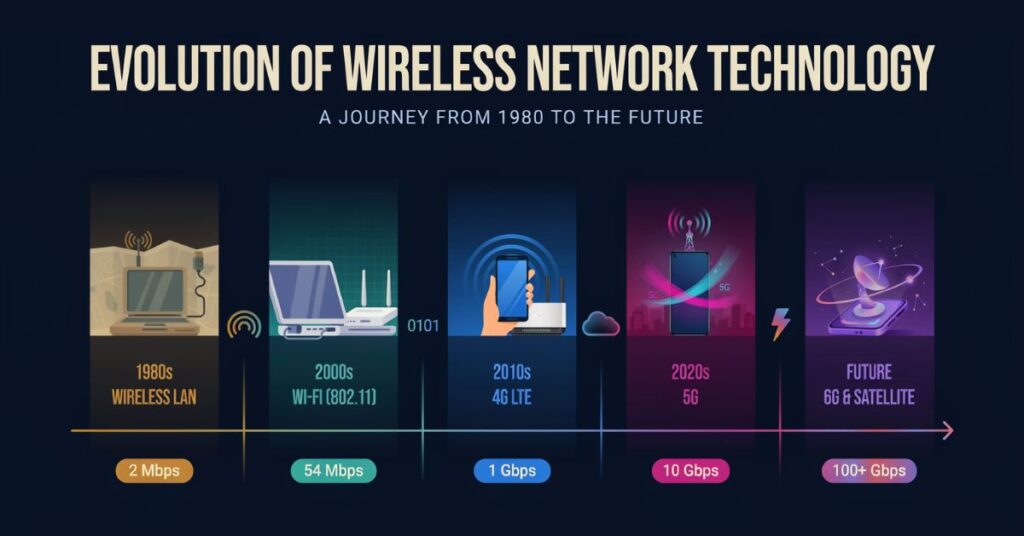
Wireless network technology has changed greatly over the years. The first generation, or 1G, mainly supported voice calls. 2G introduced text messaging and better call quality. 3G brought mobile internet and made web browsing easier. Then, 4G provided much faster speeds for video streaming, apps, and online services.
Today, 5G is taking wireless communication to the next level. It offers faster speeds, lower latency, and better support for connected devices. It can improve mobile experiences and support technologies such as smart homes, connected vehicles, and the Internet of Things. This evolution shows how wireless networks continue to shape modern digital life.
How is 5G different from previous generations of wireless networks?
5G is different from older wireless networks because it offers faster speeds, lower latency, and greater network capacity. Earlier generations focused mainly on calls, texts, and mobile internet. 4G improved streaming and app use, while 5G is built to handle more connected devices and advanced digital services. This makes 5G technology more useful for modern communication and smart devices.
Another major difference is its ability to connect many devices at the same time. 5G can support technologies such as smart homes, connected cars, industrial systems, and the Internet of Things (IoT). Its low latency also allows devices to respond more quickly. These improvements can create smoother and more reliable online experiences.
5G vs. Previous Wireless Generations
| Generation | Main Use | Key Improvement |
| 1G | Voice calls | Basic mobile communication |
| 2G | Calls and texts | Digital communication |
| 3G | Mobile internet | Better web browsing |
| 4G | Streaming and apps | Faster internet speeds |
| 5G | Advanced connectivity | Higher speed, lower latency, and more capacity |
How does 5G work?
5G works by using advanced wireless technologies to send data between devices and mobile networks. It uses a wider range of radio frequencies to provide faster connections and lower latency. 5G networks also use technologies such as small cells and advanced antennas to improve coverage and network performance. These features help connect smartphones, smart devices, and other equipment more efficiently.
New RAT standard
5G uses a new radio technology called 5G New Radio (5G NR). It is designed to provide faster data speeds and better network performance. It is capable of working across a variety of frequency ranges. This helps 5G support a wide range of devices and services.
Network slicing capabilities
Network slicing allows a 5G network to create separate virtual networks for different needs. Each slice can have its own performance and security settings. For example, one slice can support high-speed internet, while another can support critical industrial services. This makes network resources more flexible and efficient.
Private networks
Private 5G networks are designed for specific organizations, locations, or businesses. They can provide secure and reliable wireless connections within a defined area. Factories, hospitals, campuses, and other workplaces can use private 5G networks to connect devices and manage data more efficiently.
Read this article also: 5G Technology: How It Is Changing Our Connected World
5G future: Innovations in the coming years
The future of 5G looks promising as the technology continues to develop. Faster connections and lower latency can support new digital services and smart devices. 5G can also improve industries and everyday experiences. As more businesses adopt 5G, it may create new opportunities for innovation and digital growth.
Healthcare and Telemedicine
5G can make healthcare more connected and accessible. Doctors may use fast and reliable networks for remote consultations and monitoring. A connected medical device can also be supported by it. This may improve communication between patients, doctors, and healthcare teams.
Supply chains
5G can help businesses manage supply chains more efficiently. Connected sensors can track products, vehicles, and equipment in real time. Companies can receive faster updates about shipments and inventory. It can improve planning and reduce delays.
Fixed wireless networks
5G can provide high-speed internet without traditional wired connections. Fixed wireless networks use 5G signals to deliver internet to homes and businesses. This can be useful in areas where installing cables is difficult. It may also provide another option for broadband access.
Smart cities
5G can support the development of smarter cities. Connected systems can help manage traffic, street lighting, public transport, and other services. Sensors can collect information and send it quickly. This can help cities use resources more efficiently.
Edge computing and AI
5G can work closely with edge computing and artificial intelligence (AI). Data can be processed towards wherein it’s miles created. this could reduce delays and support quicker responses. It may improve applications such as automation, smart devices, and real-time analysis.
Internet of Things (IoT) Revolution
5G can help connect a large number of IoT devices. Smart appliances, sensors, vehicles, and machines can communicate through the network. Better connectivity can make these devices more useful and responsive. This can lead to wider use of IoT in homes and businesses.
Transformative Industrial Applications
Industries can use 5G to improve automation and connected operations. Factories may connect machines, robots, and sensors through private 5G networks. Real-time data can help workers monitor equipment and processes. These applications can improve productivity and support modern manufacturing.
Immersive Experiences
5G can improve immersive technologies such as virtual reality (VR) and augmented reality (AR). Faster speeds and lower latency can make digital experiences smoother. Users may enjoy more responsive gaming, training, entertainment, and virtual events. This can create new ways to interact with digital content.
Innovation and Entrepreneurship
5G can create new opportunities for businesses and startups. Entrepreneurs can develop services based on connected devices, AI, IoT, and smart technologies. Faster networks can also support new digital products and services. This may encourage innovation across many industries.
Applications of 5G technology
5G technology has many useful applications in daily life and different industries. Its fast speeds and low latency can support connected devices and real-time services. From smart transportation to immersive entertainment, 5G can improve how people use digital technology. As 5G networks expand, more applications are expected to develop.
Self-driving cars
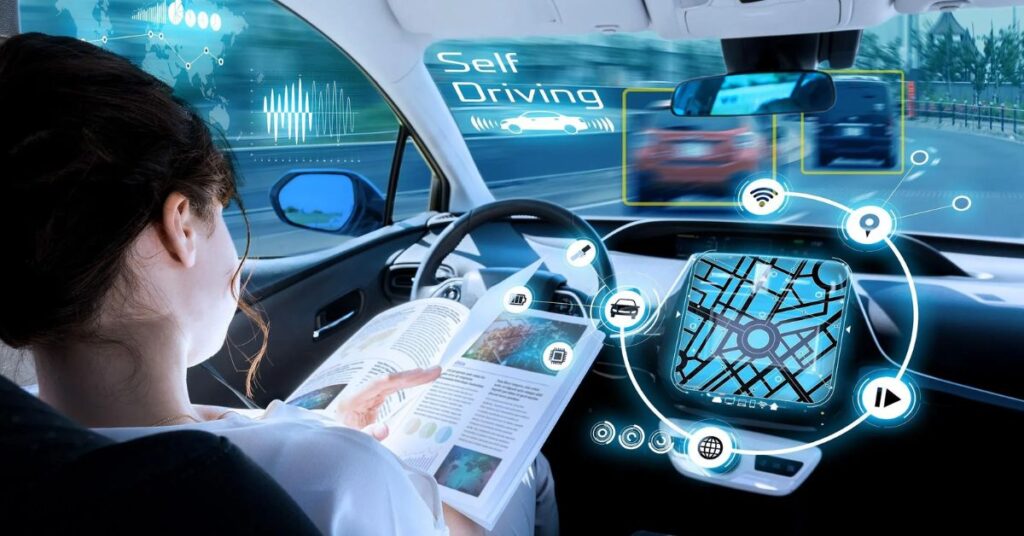
5G can support self-driving cars by helping vehicles communicate quickly with other vehicles and road systems. Fast data sharing can improve awareness of traffic and road conditions. Low latency can also help connected vehicles respond faster. This can support safer and more efficient transportation.
Remote surgery
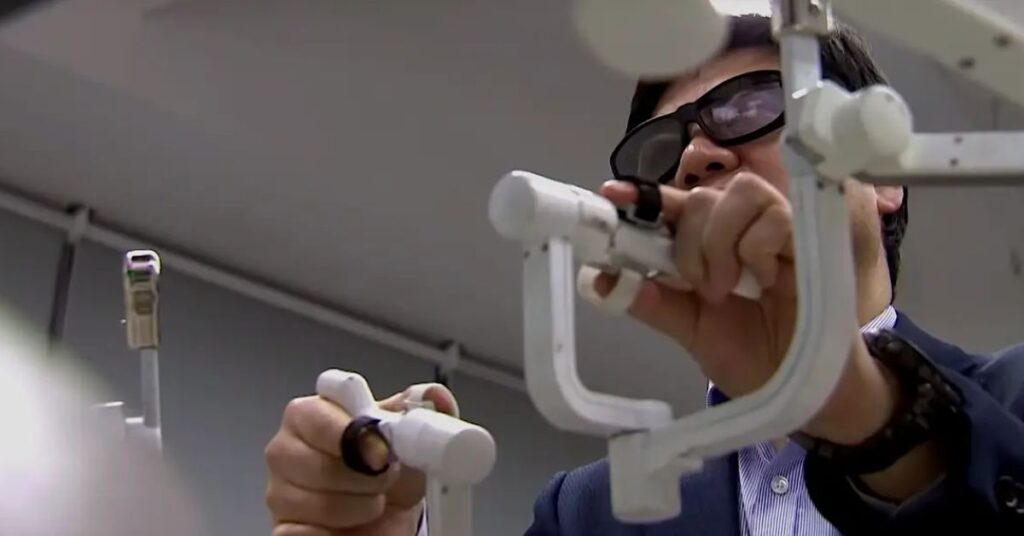
5G can support remote healthcare by providing fast and reliable connections between medical devices and specialists. Doctors can communicate with healthcare teams from different locations. In advanced settings, 5G may also support robotic surgical systems. However, remote surgery requires highly reliable networks and specialized medical equipment.
Augmented reality
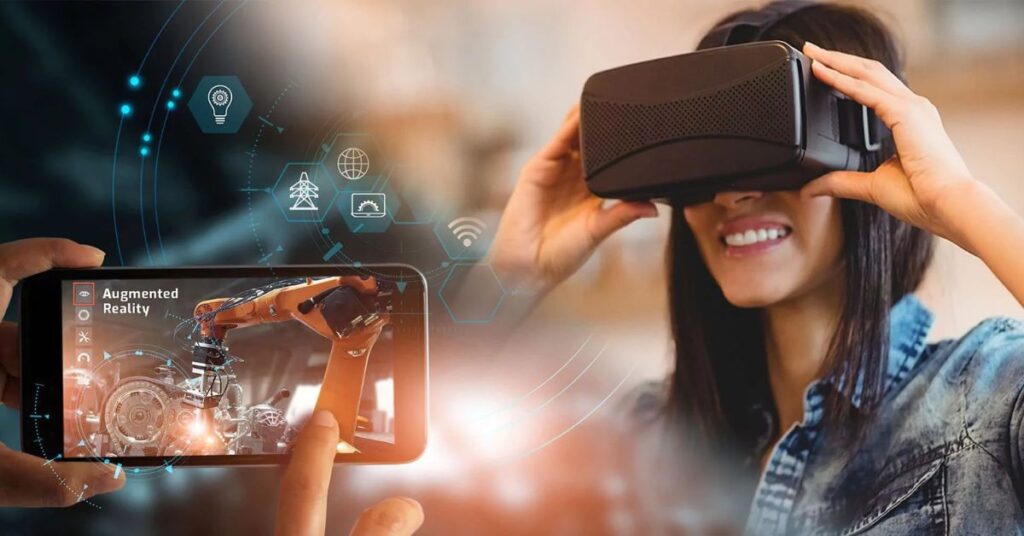
5G can improve augmented reality (AR) experiences by delivering digital information quickly. Users can interact with virtual elements placed over the real world. This can be useful for education, shopping, training, and navigation. Lower latency can make AR applications feel more responsive.
Virtual reality
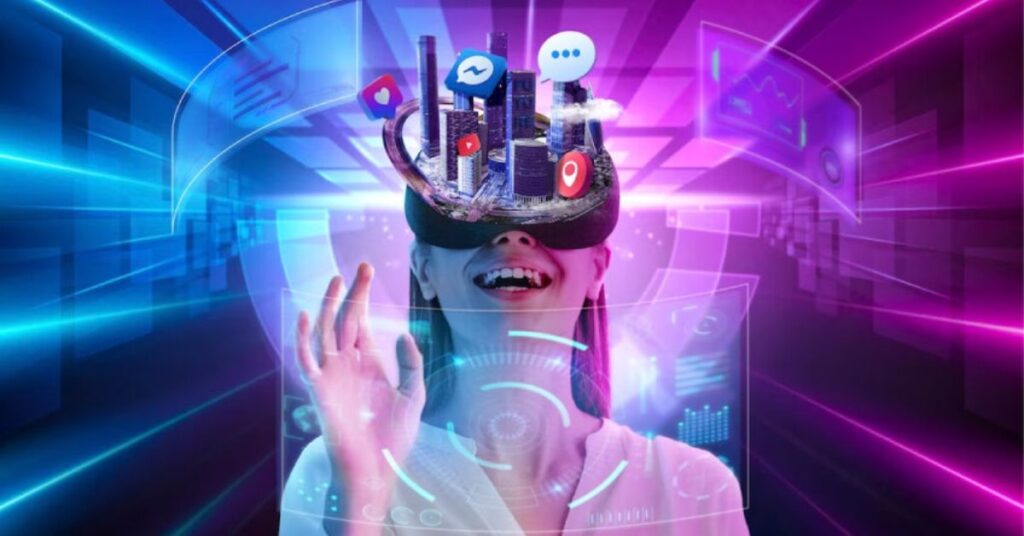
5G can make virtual reality (VR) experiences smoother and more interactive. High-speed connections can support the quick delivery of large amounts of data. This can benefit gaming, virtual events, education, and professional training. Users may enjoy more responsive and immersive experiences.
Internet of Things (IoT)
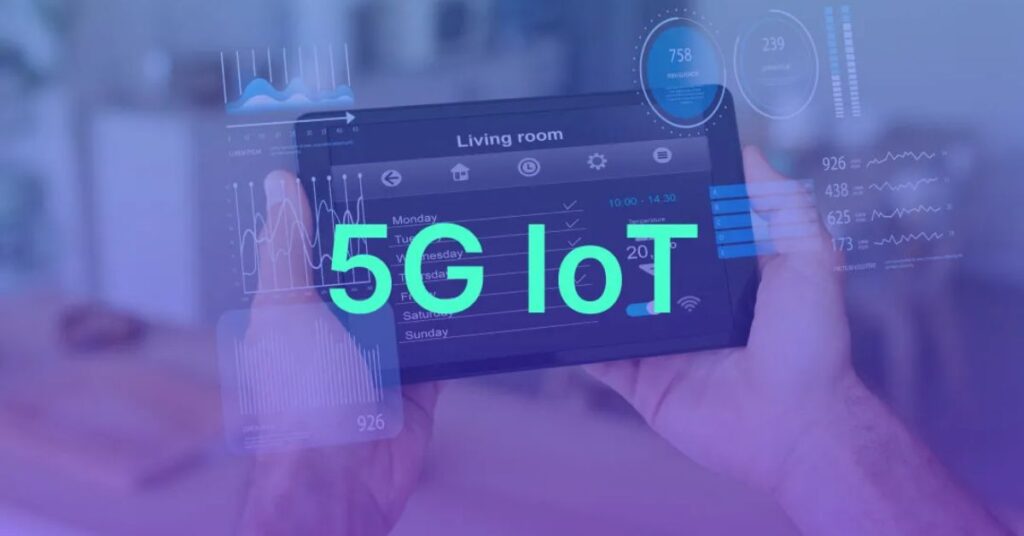
5G can connect a large number of Internet of Things (IoT) devices at the same time. Smart sensors, appliances, vehicles, and machines can share data through the network. This can help businesses and homes monitor devices more efficiently. Better connectivity can also support the growth of smart technologies.
FAQs
What is 5G technology?
5G is the fifth generation of wireless network technology. It offers faster speeds, lower latency, and better network capacity.
How is 5G different from 4G?
5G provides faster connections, lower delays, and better support for many connected devices compared with 4G.
How does 5G work?
5G uses advanced radio technology, antennas, and network systems to deliver fast and reliable wireless connections.
What are the main applications of 5G?
5G can support self-driving cars, remote healthcare, augmented reality, virtual reality, and Internet of Things (IoT) devices.
What is the future of 5G technology?
5G can support innovations in smart cities, healthcare, supply chains, AI, edge computing, and industrial automation.
Conclusion
5G technology is changing the way people connect and use digital services. It offers faster speeds, lower latency, and better network capacity. These features can support many applications, from smart cities and IoT devices to virtual reality and connected vehicles. 5G can also help businesses improve their digital operations.
The future of 5G looks promising as more industries adopt this technology. It can support new ideas in healthcare, transportation, manufacturing, and communication. With continued development, 5G may create more efficient and connected digital experiences. It will remain an important part of the next generation of wireless technology.
