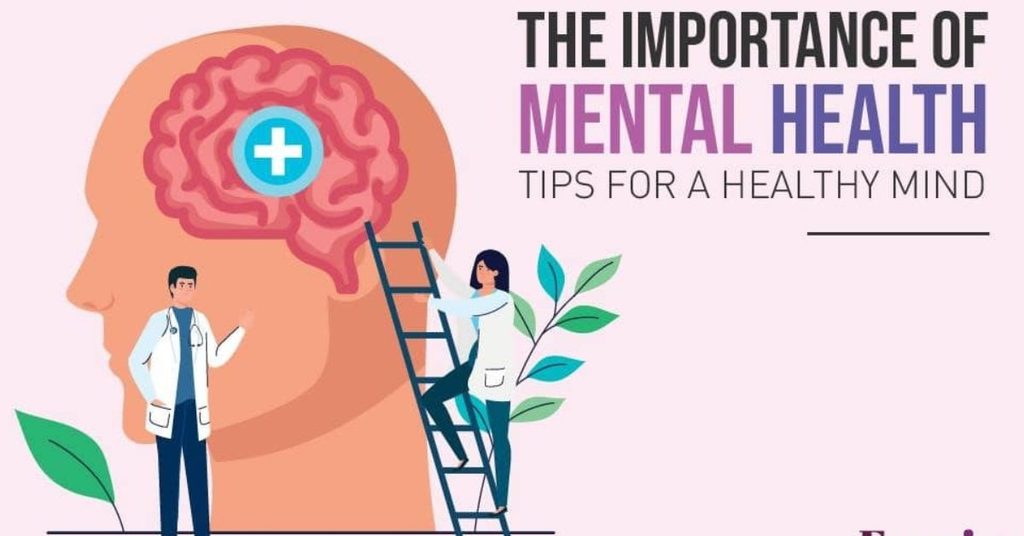
Mental health affects how you think, feel, behave, and respond to everyday situations. When life becomes stressful, it can be difficult to stay calm, focused, and emotionally balanced. Taking care of your mind is just as important as caring for your physical body.
Mental Wellness is not simply about avoiding mental health problems. It also means developing healthy coping skills, maintaining supportive relationships, building self-esteem, and finding ways to handle life challenges. With healthy habits and the right support, you can protect your emotional well-being and improve your quality of life.
Why Is Mental Health Important?
Mental health plays an important role in almost every part of life. It affects your thoughts, emotions, behavior, relationships, and ability to deal with everyday responsibilities. Good mental health can help you handle stress, make thoughtful decisions, and adapt to changes.
When your emotional health is supported, you may find it easier to maintain healthy relationships and enjoy daily activities. You can also develop greater confidence and a more positive outlook. However, mental health can change over time, especially during difficult periods, so caring for it should be an ongoing part of a healthy lifestyle.
How Does Mental Health Impact Daily Life?
Your mental health can influence how you perform at school, work, or home. For example, ongoing stress may make it harder to concentrate, sleep well, communicate with others, or complete normal tasks. Emotional difficulties can also affect motivation and personal confidence.
Strong mental well-being can make everyday challenges easier to manage. It doesn’t mean feeling happy all the time. Instead, it means having healthy ways to understand your emotions, solve problems, ask for help, and continue with important responsibilities.
Ways to Cope with Stress
Stress is a normal part of life, but too much stress can affect both emotional and physical health. Simple stress management techniques can help you regain balance. Regular exercise, quality sleep, meditation, deep breathing, and time away from stressful activities can all support healthier coping.
Your social environment matters, too. Talking with someone you trust can make a difficult situation feel more manageable. Building healthy coping mechanisms allows you to respond to life stressors without letting them control your entire routine.
Here are a few practical ways to manage everyday stress:
- Get regular physical activity.
- Maintain a consistent sleep routine.
- Take short breaks during busy days.
- Practice meditation or deep breathing.
- Spend time with supportive people.
- Organize tasks into smaller steps.
- Make time for activities you enjoy.
- Seek professional support when stress becomes difficult to manage.
Mental Health and Physical Health
Mental and physical health are closely connected. Poor sleep, lack of physical activity, unhealthy eating habits, and ongoing stress can affect how you feel emotionally. At the same time, mental health concerns can sometimes make it harder to maintain healthy physical routines.
A healthy lifestyle can support both areas. Regular exercise may improve mood and energy, while quality sleep helps the body and mind recover. Taking care of your physical needs is therefore an important part of mental wellness and overall well-being.
read out yhis article:Physical health and mental health
Examples of Mental Health Problems
Mental health problems can affect people in different ways. Some conditions may influence mood, thoughts, behavior, or the ability to manage everyday responsibilities. Examples include anxiety disorders, depression, eating disorders, and certain other mental health disorders.
Experiencing occasional sadness, worry, or stress doesn’t automatically mean that someone has a mental illness. However, symptoms that are severe, persistent, or interfere with daily life may need attention. A qualified healthcare professional can assess concerns and help identify appropriate mental health treatment or support.
Warning Signs and Risk Factors of Mental Illness
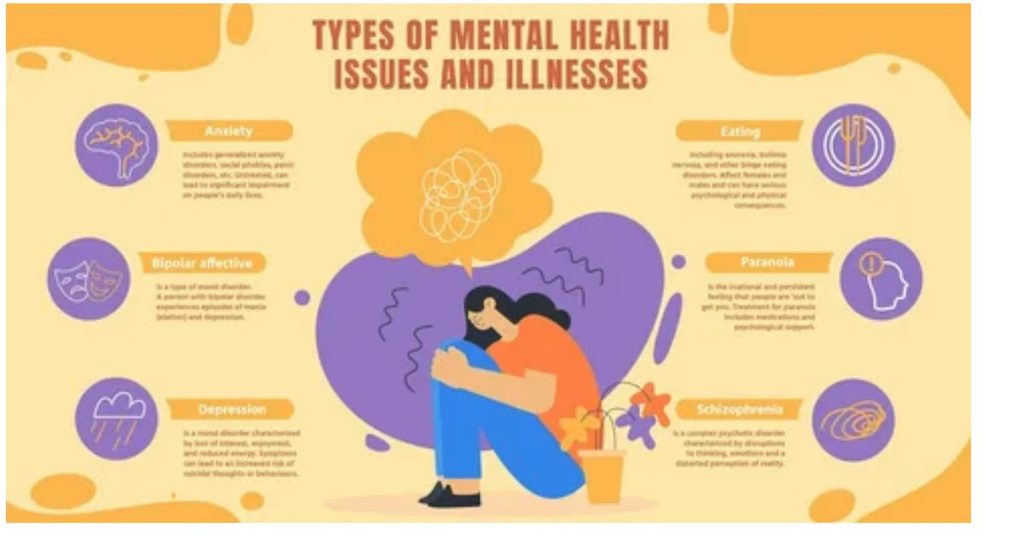
Mental health concerns can sometimes appear through noticeable changes in thoughts, feelings, or behavior. Warning signs may include prolonged sadness, excessive worry, major changes in sleep or appetite, social withdrawal, loss of interest in normal activities, or difficulty managing everyday responsibilities.
Risk factors can vary from person to person. They may include difficult life experiences, prolonged stress, family history, social isolation, major changes, or other personal circumstances. Having a risk factor doesn’t mean someone will develop a mental illness. It simply means that additional support or awareness may be helpful.
Mental Health Promotion and Prevention
Promoting good mental health starts with everyday habits. Regular physical activity, enough sleep, nutritious food, meaningful social connections, and time for relaxation can create a strong foundation for emotional well-being. Learning how to recognize stress early can also help you respond before it becomes overwhelming.
Social connections are particularly valuable. Spending time with family, friends, classmates, coworkers, or trusted community members can reduce feelings of isolation. Maintaining a positive outlook doesn’t mean ignoring problems. Instead, it means looking for realistic ways to handle challenges while remembering that difficult periods can change.
Mental Health Care and Treatment

Mental health care can take different forms depending on a person’s needs. Some people benefit from counseling or talk therapy, while others may need additional professional care. A qualified healthcare provider can help determine which options are appropriate.
Mental Wellness also involves knowing when you need support. Reaching out to a trusted person or mental health professional isn’t a sign of weakness. Professional support can provide practical tools for managing emotions, improving coping skills, and dealing with specific mental health concerns.
Benefits of Good Mental Health
Good mental health can support many areas of everyday life. It can help you manage stress, communicate more effectively, maintain healthy relationships, and stay focused on your responsibilities. It may also support personal confidence and a healthier self-image.
Another important benefit is resilience. When you develop healthy coping skills, you may be better prepared to handle setbacks and life challenges. Good mental well-being doesn’t remove every problem, but it can help you respond to difficulties in healthier and more balanced ways.
Mental health also contributes to quality of life. When your emotional needs are supported, you may have more energy to enjoy hobbies, relationships, work, education, and other meaningful activities.
How to Maintain Mental Health and Well-Being

Maintaining good mental health requires regular attention rather than one major change. Start with realistic habits that fit your lifestyle. Getting enough sleep, staying active, eating balanced meals, spending time with people you trust, and making room for self-care can all support emotional health.
It’s also useful to understand your own limits. If your responsibilities become overwhelming, break them into smaller tasks and take regular breaks. Make time for activities that help you relax, and don’t hesitate to ask for professional support when you need it.
FAQs
1. What is mental wellness?
Mental wellness refers to a healthy state of emotional, psychological, and social well-being. It involves managing everyday stress, maintaining relationships, and developing healthy ways to cope with challenges.
2. Why is mental health important?
Mental health affects how you think, feel, behave, communicate, and manage daily responsibilities. Supporting it can improve emotional well-being and overall quality of life.
3. How can I improve my mental health naturally?
Regular exercise, quality sleep, healthy eating, social connections, meditation, relaxation, and self-care can support mental health. Professional support may also be helpful when concerns persist.
4. When should I seek mental health support?
Consider seeking professional support when emotional or behavioral changes persist, become severe, or interfere with your daily life, relationships, work, or studies.
5. Can mental health affect physical health?
Yes. Mental and physical health are connected. Ongoing stress and mental health concerns can affect sleep, energy, activity levels, and other aspects of physical well-being.
Conclusion
Mental health is an important part of a healthy and fulfilling life. From managing stress to maintaining relationships and developing healthy habits, small daily choices can support your emotional and psychological well-being.
Taking care of your mind isn’t something you should only do during difficult times. Make mental wellness part of your everyday routine through self-care, healthy habits, supportive relationships, and professional help when needed. With the right support and consistent care, you can build healthier ways to handle life’s challenges and protect your overall well-being.
