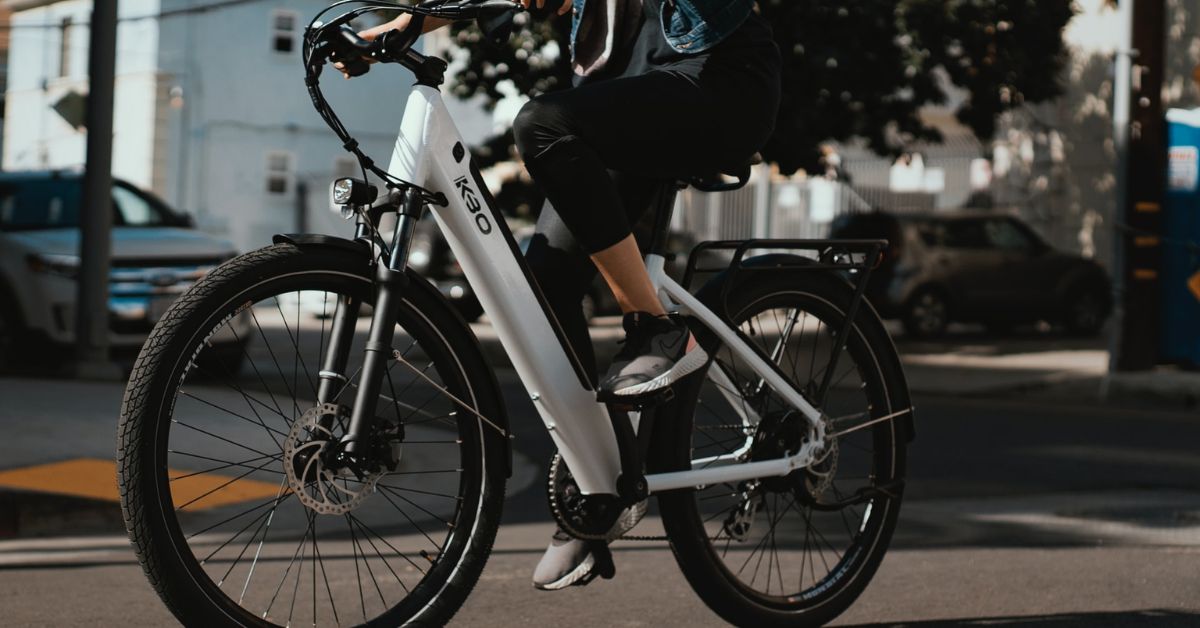
Choosing the right Electric Bike can feel confusing when every model promises better speed, range, comfort, and power. You may wonder which features actually matter and which ones are just nice extras. The wrong choice can also mean paying more for features you’ll rarely use.
This guide breaks down the important features you should check before buying. From battery life and motor power to brakes, comfort, maintenance, and legal requirements, you’ll learn what really matters for your riding needs.
Understanding Riding Purpose Before Features
Before comparing motors or displays, think about how you’ll actually use your bike. A daily commuter may need a comfortable frame, dependable battery range, lights, and practical accessories. Someone riding trails may care more about suspension, off-road tires, motor assistance, and hill climbing.
Your daily travel distance also matters. If you plan to ride to work every day, look for an electric bike for commuting with enough battery range for your regular route. For delivery work, carrying capacity and battery efficiency may matter more. Trail riders should pay closer attention to terrain, hills and slopes, suspension, and tire grip.
Must read this: Top 12 Types of Electric Bike Models to Consider in 2026
Quick checklist for choosing an electric bike
A simple checklist can make shopping much easier. Instead of focusing on one impressive specification, look at the complete package. Consider your budget, riding conditions, comfort, maintenance needs, and local rules before making a decision.
Use these points as a starting guide:
- Check the battery capacity and expected battery range.
- Choose motor power based on your terrain and riding needs.
- Look for reliable disc brakes or hydraulic disc brakes.
- Check frame size, weight, seat height, and handlebar position.
- Choose road tires, off-road tires, or knobby tires based on where you ride.
- Make sure the display is easy to read.
- Check pedal-assist levels and available riding modes.
- Look at warranty coverage and after-sales support.
- Consider replacement parts and maintenance costs.
- Confirm the applicable legal requirements before purchase.
Electric bike vs conventional bicycle: what really changes?
The biggest difference is motor assistance. A conventional bicycle depends completely on your physical effort, while an e-bike can provide assistance as you pedal. This can make longer distances, strong winds, and hills easier to manage.
An electric bicycle also adds extra components such as a battery, motor, controller, display, and charging system. That means there are more parts to understand and maintain. However, the added assistance can make cycling more practical for commuting, errands, exercise, and recreational riding.
| Feature | Conventional Bicycle | Electric Bicycle |
| Motor | No | Yes |
| Battery | No | Yes |
| Pedal assistance | No | Yes |
| Charging | Not required | Required |
| Physical effort | Fully rider-powered | Adjustable with assistance |
| Weight | Usually lighter | Usually heavier |
| Maintenance | Generally simpler | Includes electrical components |
When a conventional bicycle may still be the right option
A regular bicycle can be a good choice if you enjoy fully human-powered riding. It may also suit short trips on relatively flat roads. With fewer electrical components, maintenance can be simpler and there’s no battery to charge.
If your main goal is exercise and you don’t need motor assistance, a conventional bicycle may meet your needs without the additional cost and weight of an e-bike.
When an electric bike starts to make more sense
An e-bike can be useful when you regularly travel longer distances or deal with hills and slopes. Motor assistance can reduce the effort needed to maintain a steady pace. It can also make commuting more practical when you don’t want to arrive completely tired.
For people replacing short car trips with cycling, electric transportation can offer another practical option. The right model depends on your route, budget, riding style, and local regulations.
Check the Battery Life and Range
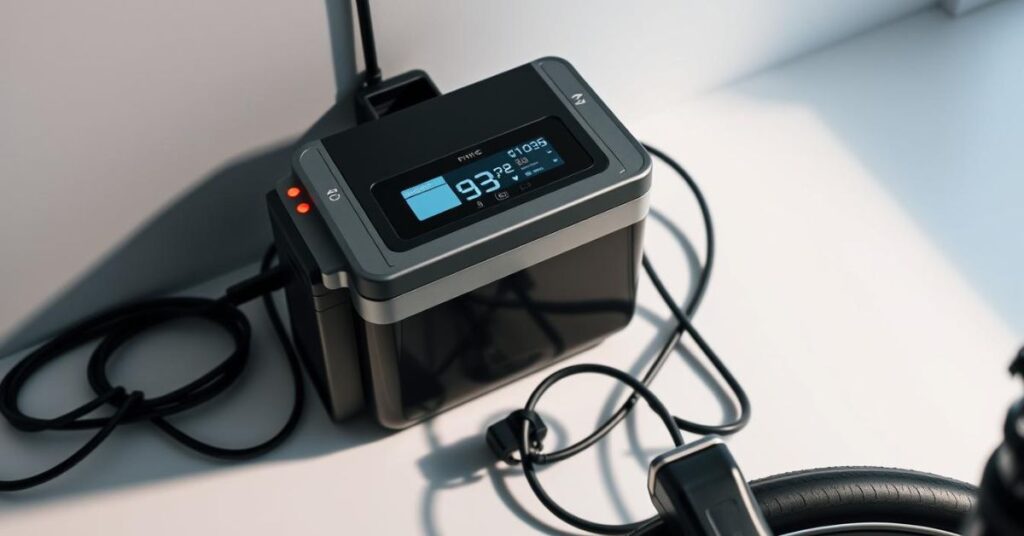
The battery is one of the most important parts to examine before buying. Don’t judge battery performance only by the advertised range. Battery capacity, measured in watt-hours, gives you a better starting point for understanding how much energy the battery stores.
Real-world battery range depends on several factors. Rider weight, speed, terrain, temperature, tire pressure, riding conditions, and motor assistance can all affect battery efficiency. If you want an electric bike with good range, compare the battery capacity with your daily travel distance instead of relying only on marketing claims.
Also check whether the battery is removable. A removable battery can make charging easier if you don’t have a convenient charging point near your parking area. Look at charging time, expected charge cycles, battery lifespan, and battery replacement costs as well.
Motor Type and Power
The electric bike motor determines how assistance feels during a ride. Two common designs are the hub motor and mid-drive motor. A hub motor sits in the wheel hub, while a mid-drive motor is positioned around the pedal area.
Hub motors can work well for many everyday uses and are often found on commuter and recreational models. Mid-drive motors can provide a more balanced feel because the motor works through the bike’s drivetrain. If you’re comparing a 250W electric bike with a 500W electric bike, don’t focus on wattage alone. Torque, controller settings, gearing, rider weight, and terrain also affect performance.
For steep routes, motor assistance and hill climbing ability become especially important. Always consider the motor power restrictions that apply where you live before choosing a high-powered model.
Braking System
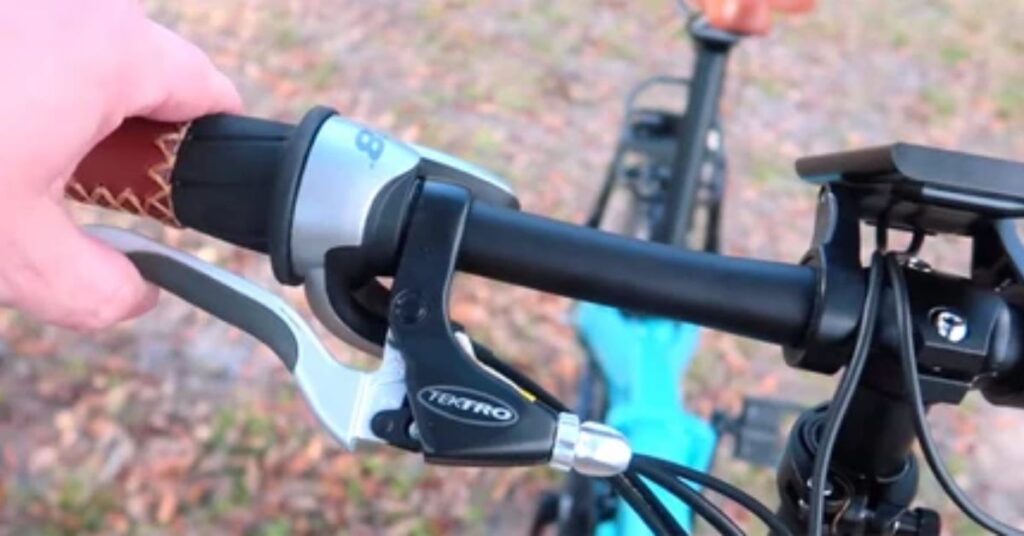
Good brakes are essential because an e-bike can carry more weight and may travel at higher speeds than a traditional bicycle. Disc brakes are common and can provide strong stopping performance in many riding conditions.
Hydraulic disc brakes can offer smooth control and strong braking response with relatively light lever effort. They can be particularly useful for heavier bikes, frequent downhill riding, or demanding conditions. Pay attention to how the brakes feel during a test ride, especially on a wet surface.
Brake maintenance also matters. Check the condition of brake pads, rotors, cables, or hydraulic components regularly. A strong braking system is an important part of overall electric bike safety.
Display and Controls
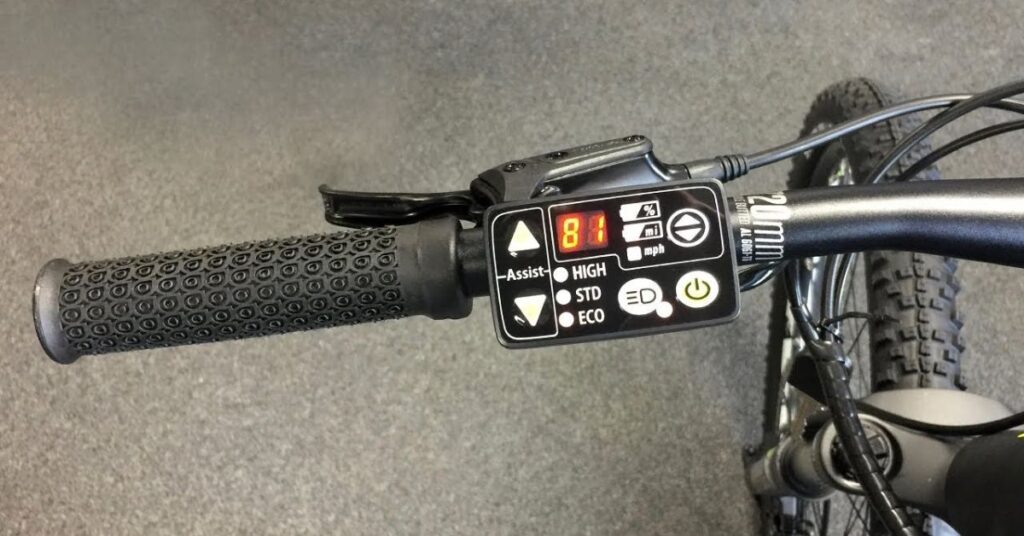
A good display should give you useful information without distracting you from the road. At minimum, it should make important information such as battery level and speed easy to see.
Some models provide additional features such as distance tracking, riding modes, pedal-assist levels, and mobile app connectivity. A daylight display can also make information easier to read during bright rides. Look for simple electric bike controls that you can operate without taking too much attention away from traffic.
Range and Riding Modes
Different riding modes allow you to control how much motor assistance you receive. Eco mode usually focuses on conserving energy, while stronger settings provide more motor assistance when you need extra support.
Using lower pedal-assist levels on flat roads can help improve battery efficiency. Higher assistance may be useful on hills, against strong wind, or when carrying extra weight. Learning how each mode affects your battery range can help you get more from every charge.
When asking, “how far can an electric bike go?” remember that there isn’t one universal answer. Your battery capacity, speed, terrain, rider weight, temperature, tire pressure, and assistance level all influence the actual distance.
Also read this article: Top 7 Electric Bike Benefits You Should Know Today
Tires and Suspension
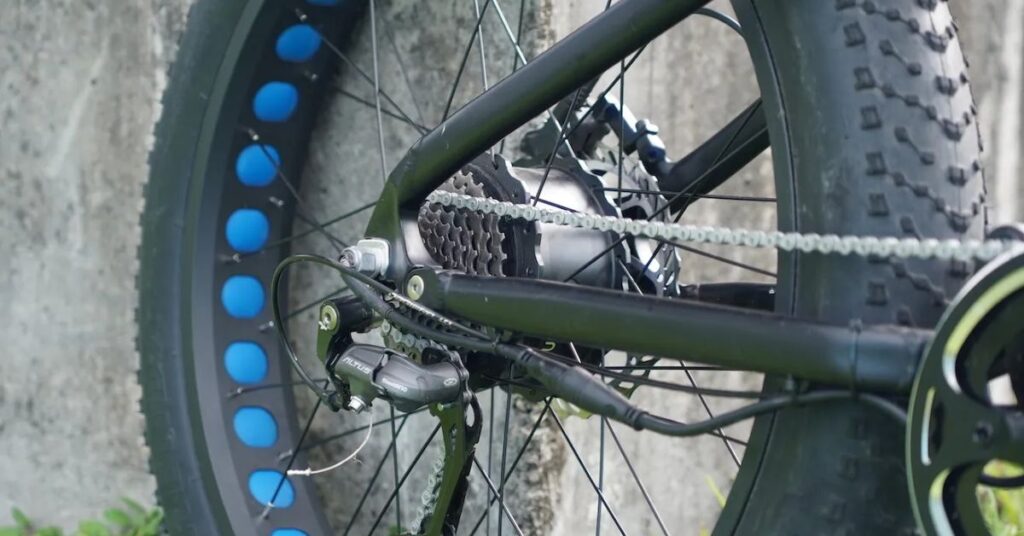
Tires should match the surfaces you plan to ride on. Road tires can work well for smooth city streets, while off-road tires and knobby tires can provide better grip on loose or uneven surfaces.
If you regularly ride across mixed terrain, look for a setup that balances comfort and stability. Suspension can also make a major difference. A good suspension system can reduce the impact of bumps and rough surfaces, especially when riding on trails.
Don’t forget tire maintenance. Correct tire pressure can affect comfort, grip, rolling resistance, and battery efficiency. Inspect your tires regularly for wear or damage.
Charging and Maintenance
Charging should be convenient enough to fit into your routine. Check the location of the charging port and make sure you have a suitable place to charge the battery safely. A smart charger and proper charging habits can help you take better care of the battery.
Regular electric bike maintenance includes more than charging. Keep an eye on the chain, brakes, tires, drivetrain, bolts, and electrical connections. Follow the manufacturer’s recommendations for battery care and storage. Good maintenance can help reduce unexpected repair costs and extend the useful life of important components.
Warranty and After-Sales Support
A warranty can provide valuable protection when buying an expensive bike. Before purchasing, read the warranty coverage carefully. Check which components are covered, how long the coverage lasts, and whether batteries and electrical parts have separate terms.
After-sales support is equally important. Look for accessible service centers, authorized dealers, replacement parts, and responsive customer support. Customer reviews can also reveal common ownership experiences, although individual reviews shouldn’t be treated as proof of every product’s performance.
Test Ride Before Buying
A test ride can tell you things that specifications cannot. You may find that a bike looks perfect online but feels too heavy, too large, or uncomfortable once you sit on it.
Pay attention to the riding position, seat height, handlebar position, steering, braking response, acceleration, and motor assistance. Try the bike on the type of surface where you’ll normally ride. This is one of the simplest ways to check whether the bike actually fits you.
Why trying the bike matters
Comfort can affect how often you use your bike. During a test ride, check whether your posture feels natural and whether the padded seat provides enough support. Make sure your feet can reach the ground comfortably when needed.
Also test the controls while moving at a safe speed. Check how smoothly the pedal-assist levels change and whether you can easily read the display. A few minutes of testing can reveal issues that aren’t obvious from photographs or specifications.
Legal Compliance
Legal requirements can vary by country, state, province, or city. Before buying, check the rules that apply to your riding area. These may cover speed restrictions, motor power restrictions, equipment, age limits, registration, helmet use, and where certain models can legally operate.
Don’t assume that a bike is legal simply because it is sold online. A model with a powerful motor or high speed may be subject to different rules than a lower-powered commuter bike. Check current traffic laws and safety regulations before riding.
Recommended E Bike Options for First-Time Riders
There isn’t one model that fits every first-time rider. Your choice should depend on your budget, riding environment, desired range, comfort preferences, and local regulations. The following models represent different approaches to e-bike design and use.
ENGWE Engine Pro 2.0
The ENGWE Engine Pro 2.0 is a fat-tire style model aimed at riders who want a versatile design for commuting and recreational riding. Its broader tires and feature set can appeal to people who want extra stability across different surfaces.
Before buying, check the current configuration, local legal requirements, warranty terms, and available service support. ENGWE currently provides manuals and guides for the Engine Pro 2.0 through its official support resources.
ENGWE M20 3.0
The ENGWE M20 3.0 takes a very different approach with a moped-style frame and high-power setup. The current official listing describes a 750W rated hub motor, 3300W peak output, full suspension, and four-piston hydraulic brakes. ENGWE also notes that actual range and speed vary with rider weight, terrain, temperature, tire pressure, and other conditions.
Because of its higher power and off-road speed settings, buyers should pay particular attention to local motor power restrictions and speed laws. The manufacturer notes that its factory default setting is limited to 20 mph for compliance with local regulations, while higher-speed off-road operation may be available where permitted.
Ride1Up 700
The Ride1Up 700 is worth considering if you’re looking for a practical commuter-oriented option with useful everyday features. When evaluating this type of bike, focus on the things that affect your actual routine, such as riding position, battery range, braking system, tire choice, carrying options, and service availability.
Specifications and availability can change between model years and markets. Check the manufacturer’s current product information before making a purchase and compare it with your own commuting distance and terrain.
Specialized Turbo Vado 4.0
The Specialized Turbo Vado 4.0 is designed around practical everyday riding and commuting. Specialized’s published specifications for the Vado 4.0 include a mid-drive motor, integrated battery, hydraulic disc brakes, suspension, and utility-focused equipment.
The model’s equipment highlights why commuter bikes should be evaluated as complete systems rather than by motor power alone. Features such as integrated lighting, rack compatibility, fenders, suspension, and anti-theft functions can make a difference in daily use. Specifications can vary by version, so check the exact model before purchasing.
How to decide which electric bike is right for you
Start with your real riding needs instead of starting with a brand or specification. Think about your daily travel distance, road conditions, terrain, rider weight, storage space, and budget. Then narrow your choices by battery capacity, motor type, braking system, comfort, tires, suspension, and available safety features.
Finally, compare the complete cost of ownership. The purchase price is only one part of the calculation. Consider charging, maintenance, battery replacement, accessories, servicing, and warranty coverage. The best value for money is usually the bike that fits your needs without making you pay for features you won’t use.
FAQs
What should I look for when buying an electric bike?
Focus on battery range, motor type, brakes, comfort, tires, suspension, safety features, warranty, and local legal requirements.
How long does an electric bike battery last?
Battery lifespan varies by battery quality, charging habits, usage, storage, and temperature. Follow the manufacturer’s charging and storage guidance.
What motor power is best for an electric bike?
There isn’t one ideal motor power for everyone. Your terrain, rider weight, intended use, local laws, and desired assistance should guide your choice.
Is a test ride important before buying?
Yes. A test ride lets you check comfort, seat height, handling, braking response, controls, and motor assistance before committing to a purchase.
Is an electric bike worth buying in 2026?
It can be useful for commuting, errands, recreation, and replacing some short car trips. Whether it’s worthwhile depends on your riding needs, budget, local laws, and expected use.
Conclusion
Choosing an e-bike doesn’t have to be complicated. Start with how you plan to ride, then compare the battery, motor, brakes, comfort, tires, controls, maintenance needs, and safety features. A clear understanding of these areas can help you avoid paying for features that don’t suit your routine.
Take time to compare models and check the details before buying. A proper test ride, reliable warranty, good after-sales support, and compliance with local laws can make your ownership experience much easier. Most importantly, choose a bike that fits your real needs rather than simply choosing the model with the biggest numbers.
