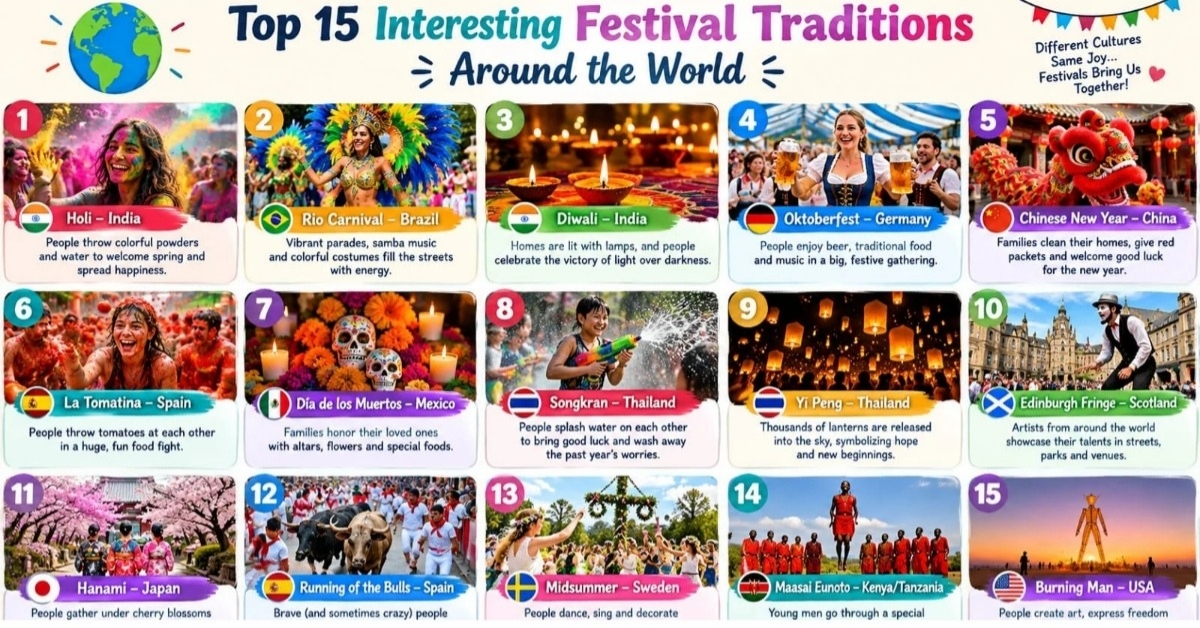
Festival Traditions From Around the World are the special customs and activities people follow during festivals in different countries. These traditions can include food, music, dancing, clothing, prayers, and family gatherings. Each culture celebrates in its own unique way.
Have you ever wondered how people celebrate festivals in other parts of the world? Some traditions may look familiar, while others may seem completely new. They show the history, beliefs, and values of different communities.
Festival Traditions From Around the World bring people together and create joyful memories. Many festivals are passed down from one generation to another. Exploring these traditions can help us learn more about different cultures and their way of life.
Diwali
Diwali is one of the most popular festivals in India and among Hindu communities around the world. It is known as the Festival of Lights. People light diyas, decorate their homes, and enjoy colorful decorations. Families wear new clothes and share sweets with each other. Many people also pray for peace, happiness, and prosperity.
Diwali is a time for family and togetherness. People visit relatives and friends and exchange gifts. Fireworks are also a common part of the celebration in many places. The festival represents the victory of light over darkness and good over evil. It is a joyful celebration filled with love, hope, and new beginnings.
Day of the Dead
Day of the Dead is a special festival celebrated mainly in Mexico. It is a time to remember family members and friends who have passed away. People visit graves and decorate them with flowers, candles, and photos. Families also prepare favorite foods and sweets of their loved ones. The festival is colorful and full of meaning.
People believe that the spirits of loved ones return to visit their families during the celebration. Homes and graves are decorated with bright flowers, especially marigolds. People also create special altars called ofrendas. These traditions help families honor their loved ones and keep their memories alive.
Read out This Article:Best Online Skills for Earning Money Online
Hiding Brooms at Christmas (Norway)
In Norway, hiding brooms is an old Christmas tradition. People traditionally believed that witches and evil spirits could steal brooms on Christmas Eve. Families would hide their brooms in safe places. This unusual custom was meant to protect the home from bad luck.
Today, most people do not believe in witches or evil spirits. However, some families still enjoy this tradition as part of Norwegian Christmas culture. It adds a fun and interesting touch to the holiday. It also shows how old beliefs can become part of modern celebrations.
Eid al-Fitr
Eid al-Fitr is an important Islamic festival. Muslims celebrate it at the end of Ramadan. People wake up early and wear clean or new clothes. They offer a special Eid prayer and greet each other with warm wishes. Families also prepare delicious food and sweets for the day.
Eid al-Fitr is a time for joy and togetherness. People visit family members and friends. They share meals and exchange gifts. Muslims also give charity to help people in need. The festival teaches kindness, gratitude, and sharing.
Krampus Night (Austria)
Krampus Night is a unique Christmas tradition in Austria. It is celebrated on December 5, before St. Nicholas Day. People dress as Krampus, a scary creature from Alpine folklore. They wear masks, fur costumes, and horns. The tradition is linked to old stories about good and bad behavior.
During the celebration, people gather in the streets and watch Krampus parades. The costumes can look frightening, but the event is also fun and social. Krampus is often seen as a figure who scares naughty children. Today, Krampus Night is an exciting cultural tradition enjoyed by many people in Austria.
Chinese New Year
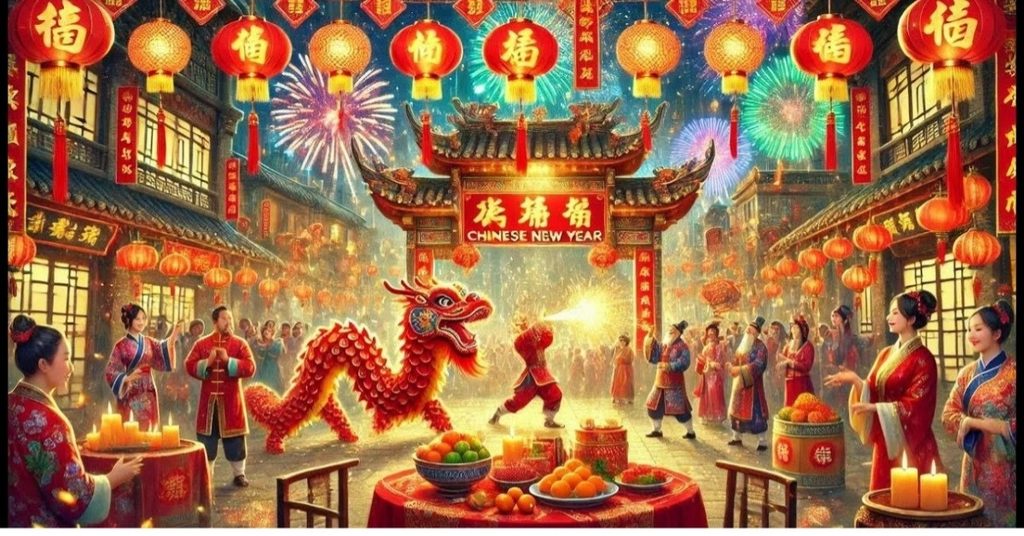
Chinese New Year is a joyful festival celebrated in China and many other countries. Families come together to welcome the new year. They clean and decorate their homes. People enjoy special food, fireworks, and traditional dances. They also give red envelopes as a sign of good luck.
- Family Gatherings
Families share meals and spend time together.
- Red Envelopes
People give red envelopes with money to bring good luck.
- Dragon Dances
Colorful dragon dances add fun and excitement to the celebrations.
Traditional Coffee Ceremony (Ethiopia)
The traditional coffee ceremony is an important part of Ethiopian culture. It is often held when family or friends visit. Fresh coffee beans are roasted and ground by hand. The coffee is then brewed in a special pot called a jebena. The rich smell of coffee fills the room.
The ceremony is a time for people to relax and talk. Guests are often served coffee in small cups. Snacks such as popcorn or roasted grains may also be offered. The host usually serves several rounds of coffee. It is a warm tradition that shows friendship and respect.
| Part of the Ceremony | What Happens |
| Roasting | Fresh coffee beans are roasted. |
| Grinding | The beans are ground by hand. |
| Brewing | Coffee is brewed in a jebena. |
| Serving | Guests enjoy several small cups. |
| Sharing | People talk, relax, and spend time together. |
Maasai Adumu Jumping Dance (Kenya)
The Maasai Adumu is a traditional jumping dance of the Maasai people in Kenya. It is often performed during special events and celebrations. Young Maasai men form a circle and take turns jumping high in the air. They try to jump straight and keep their bodies upright. The dance is also known as the “jumping dance.”
The Adumu dance is more than just a performance. It shows strength, energy, and cultural pride. The dancers sing and move to a steady rhythm. Family and community members often watch and support them. The tradition helps keep Maasai culture alive and brings people together.
Ancient Traditions
Ancient traditions are customs that have been followed for many years. They often come from old cultures and communities. These traditions may include festivals, dances, food, clothing, and religious practices. People pass them from one generation to the next.
Ancient traditions help us understand the past. They show the beliefs and values of different cultures. Many people still follow these customs today. They keep history alive and bring communities together. Each tradition has its own special meaning.
Naadam Festival – Mongolia
The Naadam Festival is a famous traditional festival in Mongolia. It is held every year in July. The festival celebrates Mongolian culture and history. People enjoy traditional sports, music, and cultural shows. Families and visitors gather to watch the exciting events.
The main sports are wrestling, horse racing, and archery. These sports are an important part of Mongolian culture. Horse racing is especially popular with children and families. People also wear traditional Mongolian clothes during the festival. Naadam is a joyful time that brings people together.
Hallows Eve Night
Hallow’s Eve, also called Halloween Eve, is celebrated on October 31. It is a fun night filled with costumes, decorations, and spooky activities. People often dress as ghosts, witches, superheroes, or other characters. Homes and streets are decorated with pumpkins, lights, and scary designs.
Children often go from house to house to collect sweets. This activity is known as trick-or-treating. People may also attend parties, play games, and watch scary movies. Hallow’s Eve is a popular celebration that brings friends and families together.
Holi Festival of Colours – India
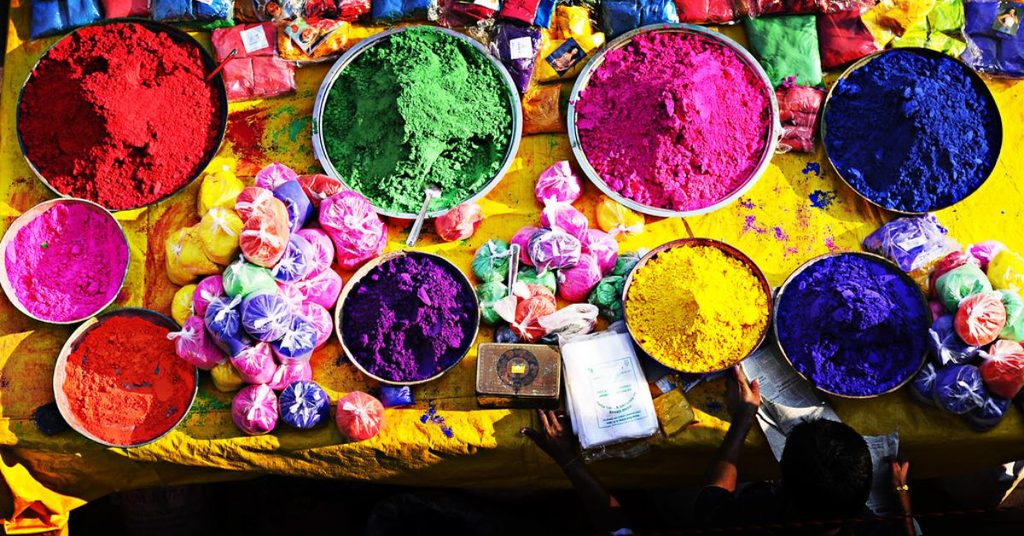
Holi is a popular festival celebrated in India. It is also called the Festival of Colours. People play with bright colors and water. They gather with family and friends. Music, dancing, and tasty food are also part of the celebration. People wear old or white clothes and enjoy the colorful day.
Holi is a festival of joy, love, and friendship. People visit each other and share sweets. They also forget old arguments and start fresh. The festival brings people closer together. It creates happy memories and fills the streets with beautiful colors.
Read out This Article:The Most Popular Festival In The Word
Kandy Esala Perahera – Sri Lanka
Kandy Esala Perahera is a famous cultural festival in Sri Lanka. It takes place in the city of Kandy. The festival is known for its colorful night parades. Dancers, drummers, and performers fill the streets. Traditional costumes make the event bright and lively.
The festival is linked to Buddhist traditions and honors the Sacred Tooth Relic of the Buddha. Elephants are traditionally part of the procession. Many people gather to watch the parade and take part in the celebrations. The festival is an important part of Sri Lanka’s culture and history.
Jesus
Jesus is an important religious figure in Christianity. Christians believe that he is the Son of God and the Messiah. His teachings focus on love, kindness, forgiveness, and helping others. His life and teachings are shared in the Bible.
Jesus is also an important figure in world history and culture. Many people remember his message of peace and compassion. His teachings have influenced art, literature, music, and traditions around the world. Christians honor his life through prayer and religious celebrations.
FAQs
What are festival traditions from around the world?
Festival traditions are special customs and activities people follow during festivals in different cultures and countries.
What is Diwali known for?
Diwali is known as the Festival of Lights. People light diyas, share sweets, and spend time with family.
Why do people celebrate the Day of the Dead?
The Day of the Dead is celebrated to remember and honor loved ones who have passed away.
What happens during the Naadam Festival?
The Naadam Festival in Mongolia features traditional sports such as wrestling, horse racing, and archery.
What is the Holi Festival of Colours?
Holi is a joyful Indian festival. People play with bright colors, enjoy food, and spend time with family and friends.
Conclusion
Festival traditions from around the world show the beauty of different cultures. Each festival has its own customs and special meaning. People celebrate with food, music, dancing, prayers, colors, and family gatherings. Festivals like Diwali, Eid al-Fitr, Holi, and Chinese New Year bring people together. Other traditions, such as the Maasai Adumu dance and Ethiopian coffee ceremony, show the importance of culture and community. These traditions connect people with their history and keep old customs alive for future generations.
